Odeosa Eguavoen
I study how people and systems shape each other, and I use that to make care and technology more accessible, fair, and trustworthy.
- Digital & mental health access
- Trust, privacy & AI ethics
- Qualitative & quantitative research
- MS Human Factors, Bentley (Dec 2026)
Experience & Projects
Building a research practice at an AI startup
I lead end-to-end research for an AI browser extension, from scoping questions and recruiting to sessions, synthesis, and share-outs teams act on.
What I do
- Run usability tests, in-depth interviews, heuristic reviews, and competitive research
- Built the team's research repository, a shared source of insight for design, engineering, and leadership
- Analyze usage and retention data to understand what separates engaged users from those who churn
What changed
- Findings reshaped onboarding and core flows, including how people save and find content
- Surfaced privacy concerns with third-party integrations, leading to transparent data access
- A heuristic review added error-prevention safeguards, like confirming before deleting
Internal materials are confidential, so this case is described in words only.
What makes care at home feel safe?
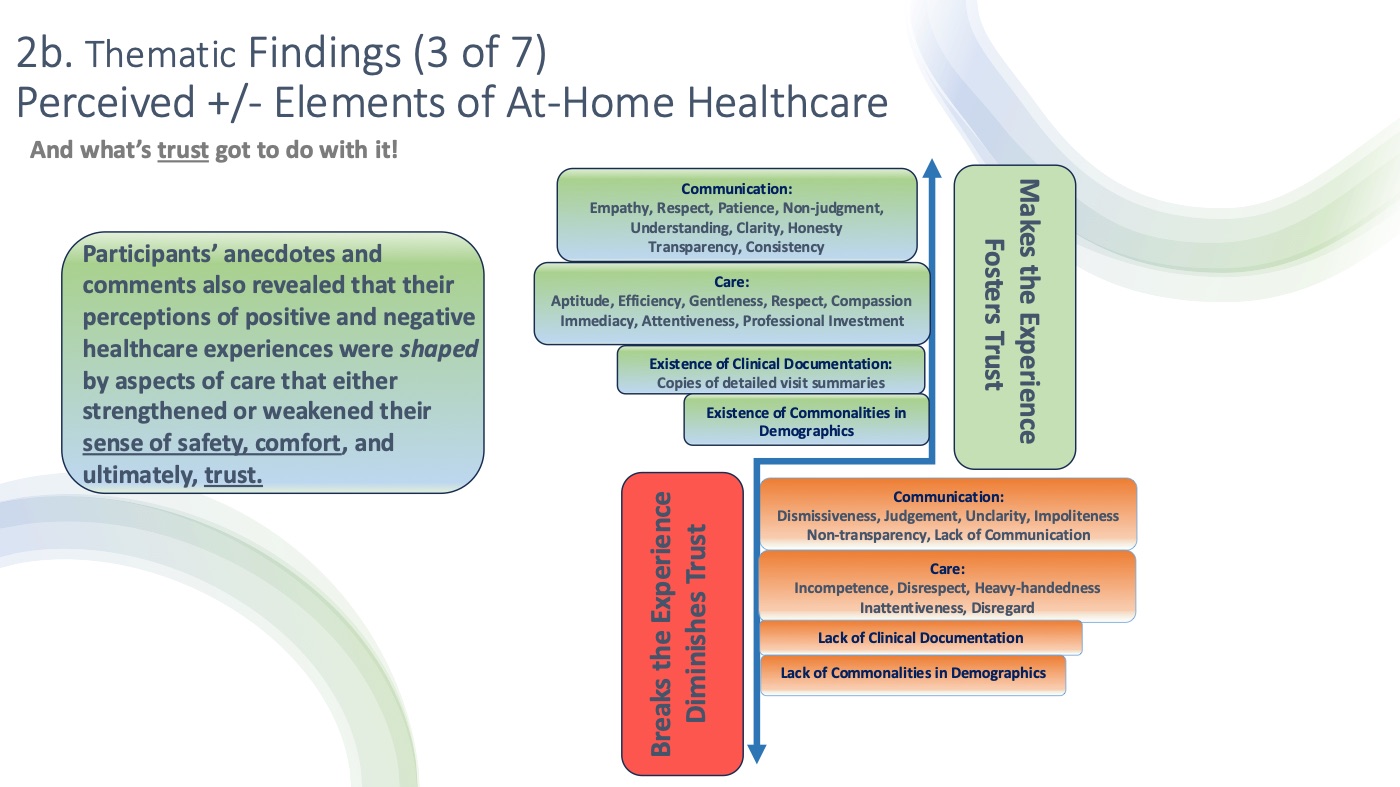
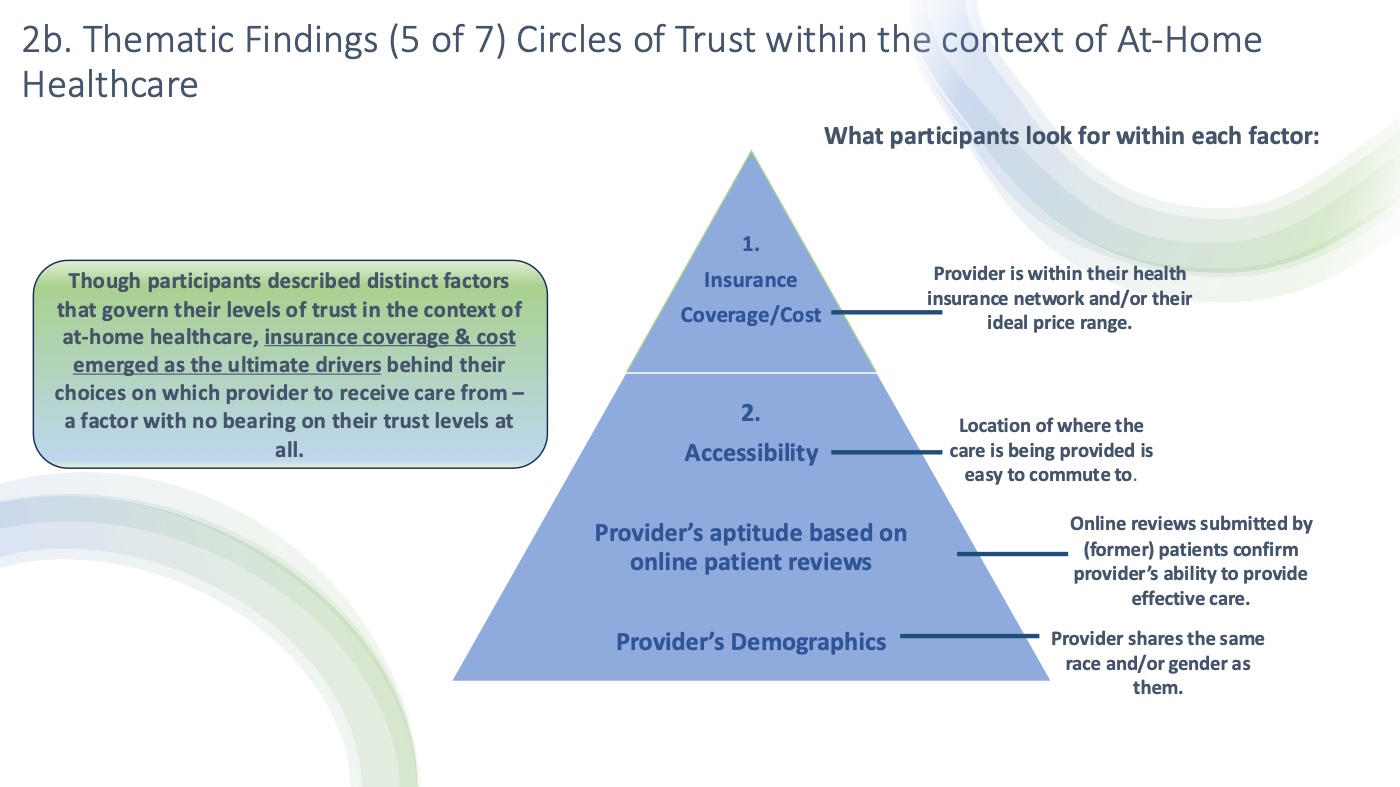
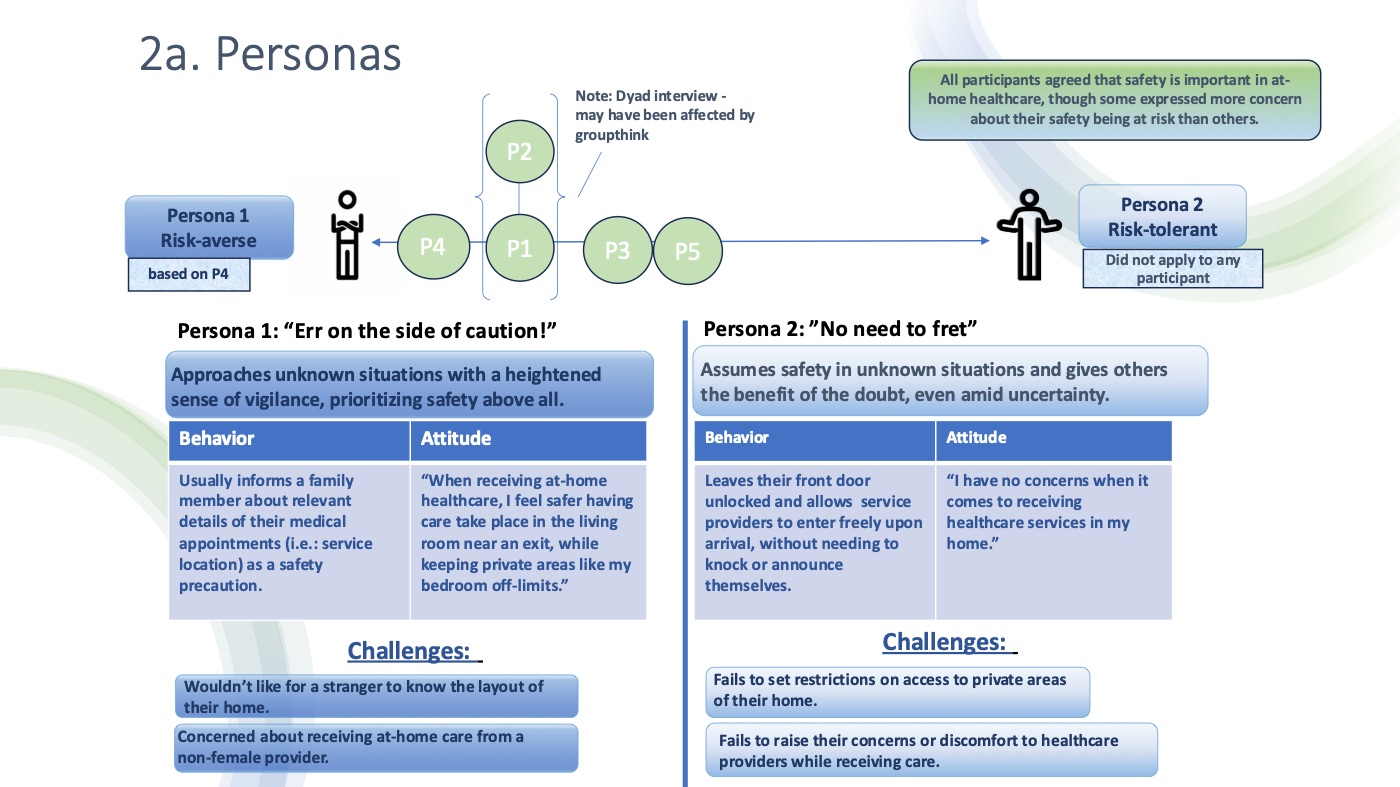
A healthtech incubator was building a platform to bring care into homes. I studied what makes that feel safe and trustworthy, who people trust with health decisions, and how they want to book.
My role
Everything, end to end: screening criteria, a 75-minute interview protocol, remote interviews, thematic analysis, personas, and the report. Done in 5 weeks with no budget.
Key findings
- Trust comes from communication, quality care, clear visit notes, and feeling understood by the provider
- Insurance and cost decide which provider people choose, but have no bearing on trust
- Most people trust family and friends for health decisions over clinicians
- People book by phone today but want online booking with text or email confirmations
An AI plugin that makes medical notes understandable
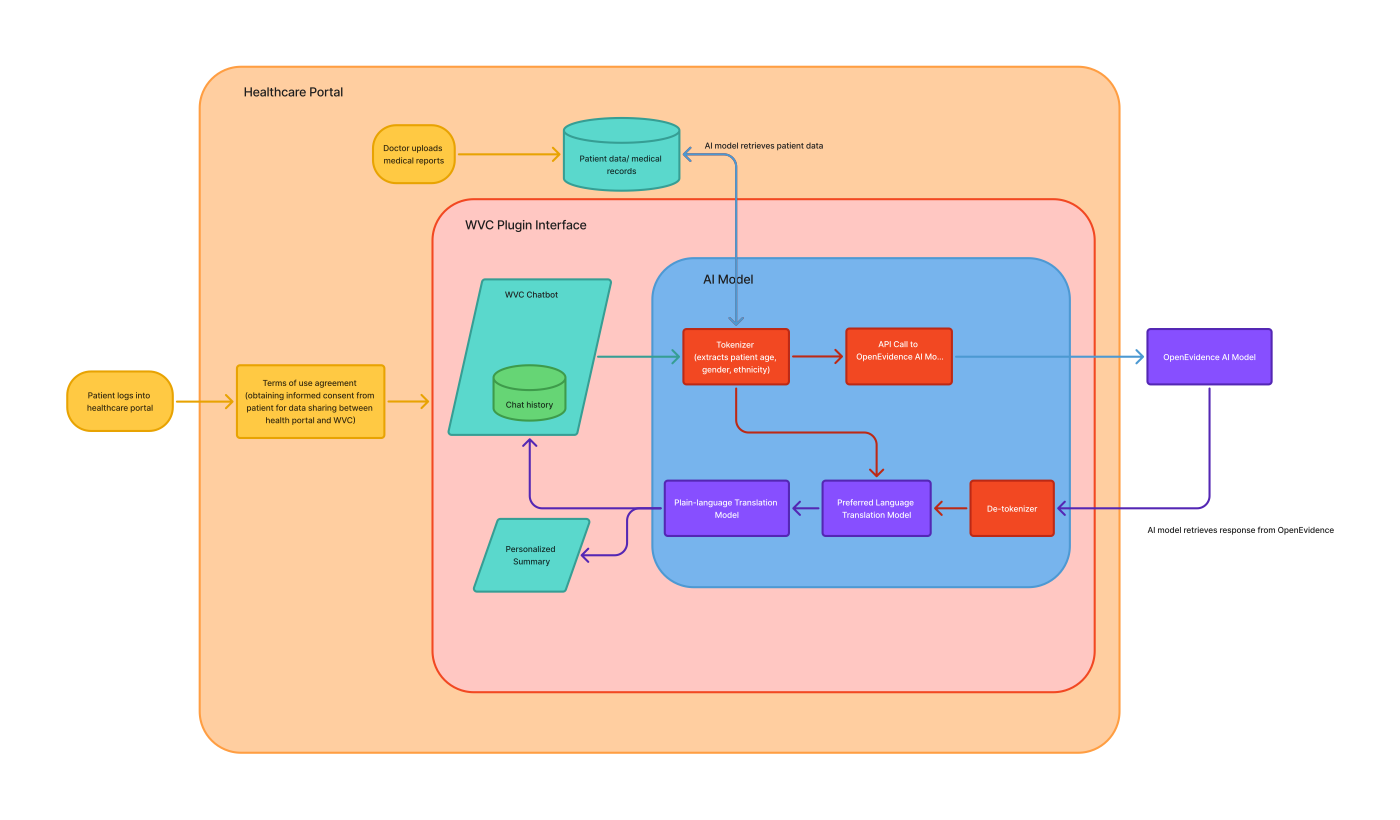
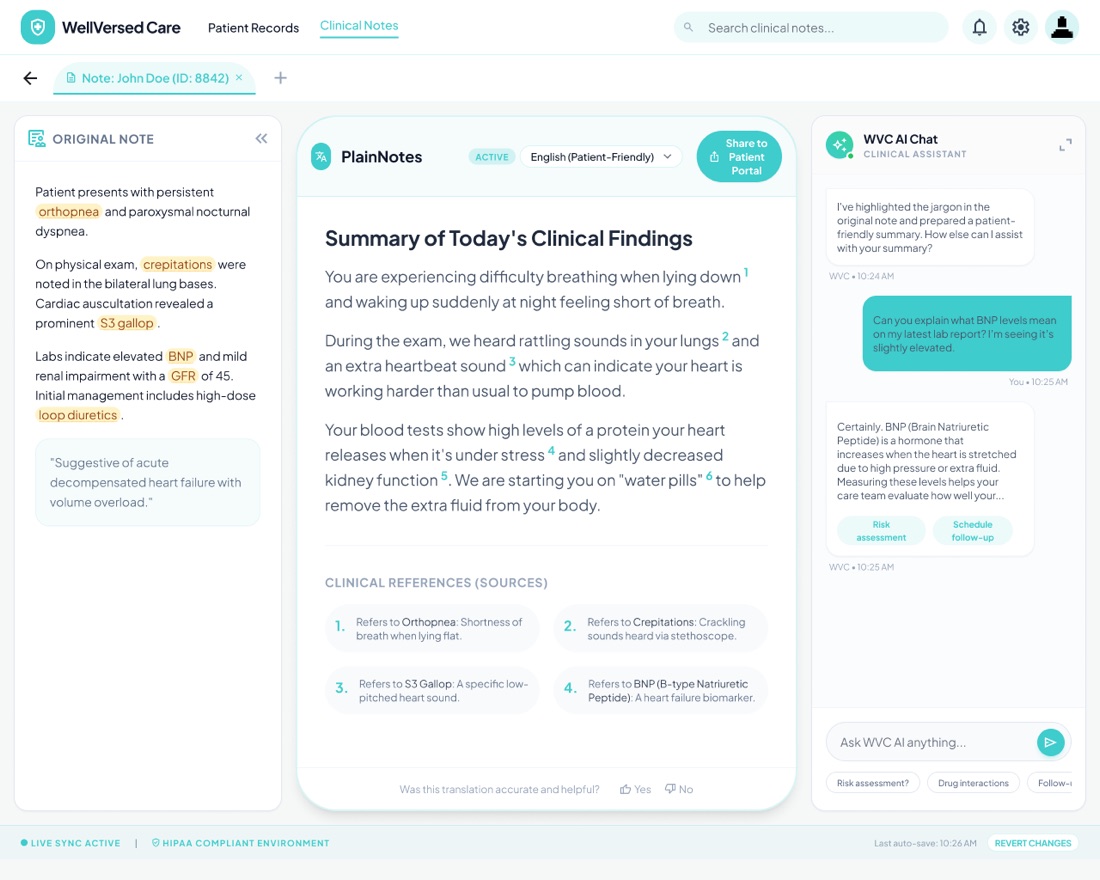
An AI add-on for patient portals that turns doctors' notes into plain language, translates them, and answers follow-up questions from peer-reviewed sources, built for patients the system often underserves.
My role
Co-designed the concept and owned the end-to-end desktop flow (sign-in, consent, setup, chatbot), plus the ethics and fairness framing. Built the working prototype in Lovable with a live retrieval API (ZeroEntropy) searching 60 million peer-reviewed sources, so answers stay grounded in vetted evidence.
What we learned
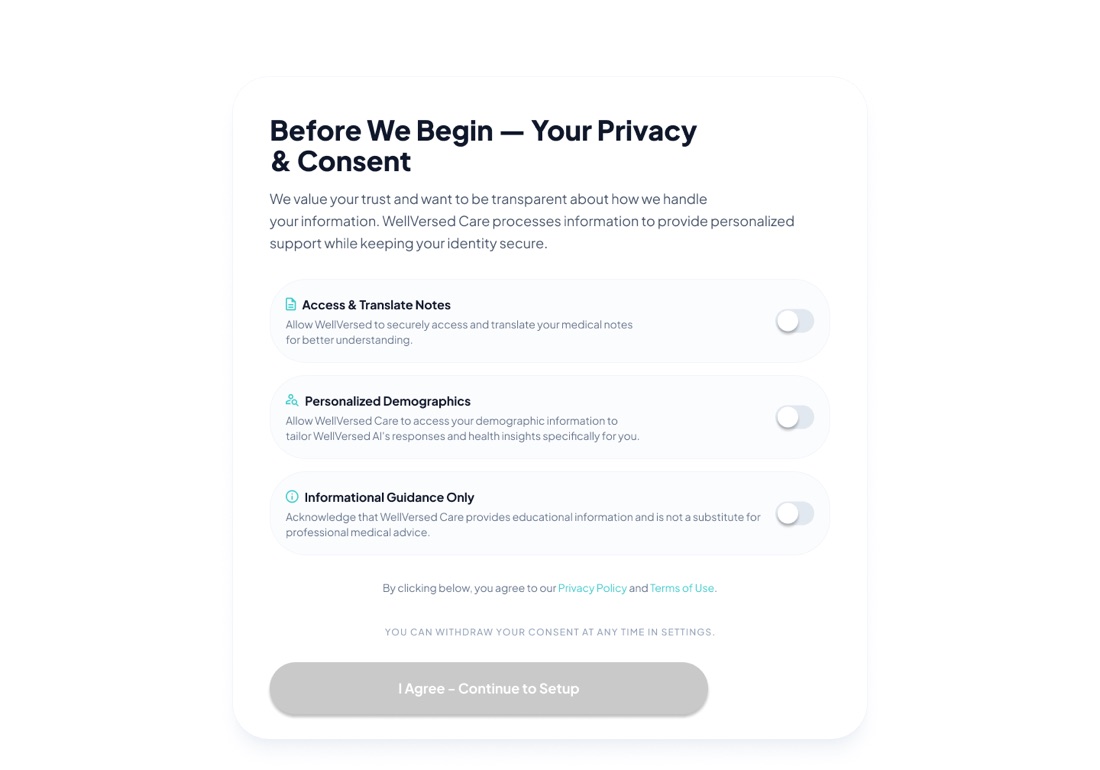
- Neither participant read consent unprompted, so consent had to be designed, not assumed
- Personalization that stayed on after being switched off felt like a privacy breach, so we reworked data controls
- AI summaries need clear AI labels; one participant didn't realize the summary was machine-written
- Ethics plan covered bias, unequal access (multilingual, low-end devices), privacy, and informed consent
Redesigning how people find eye-health information
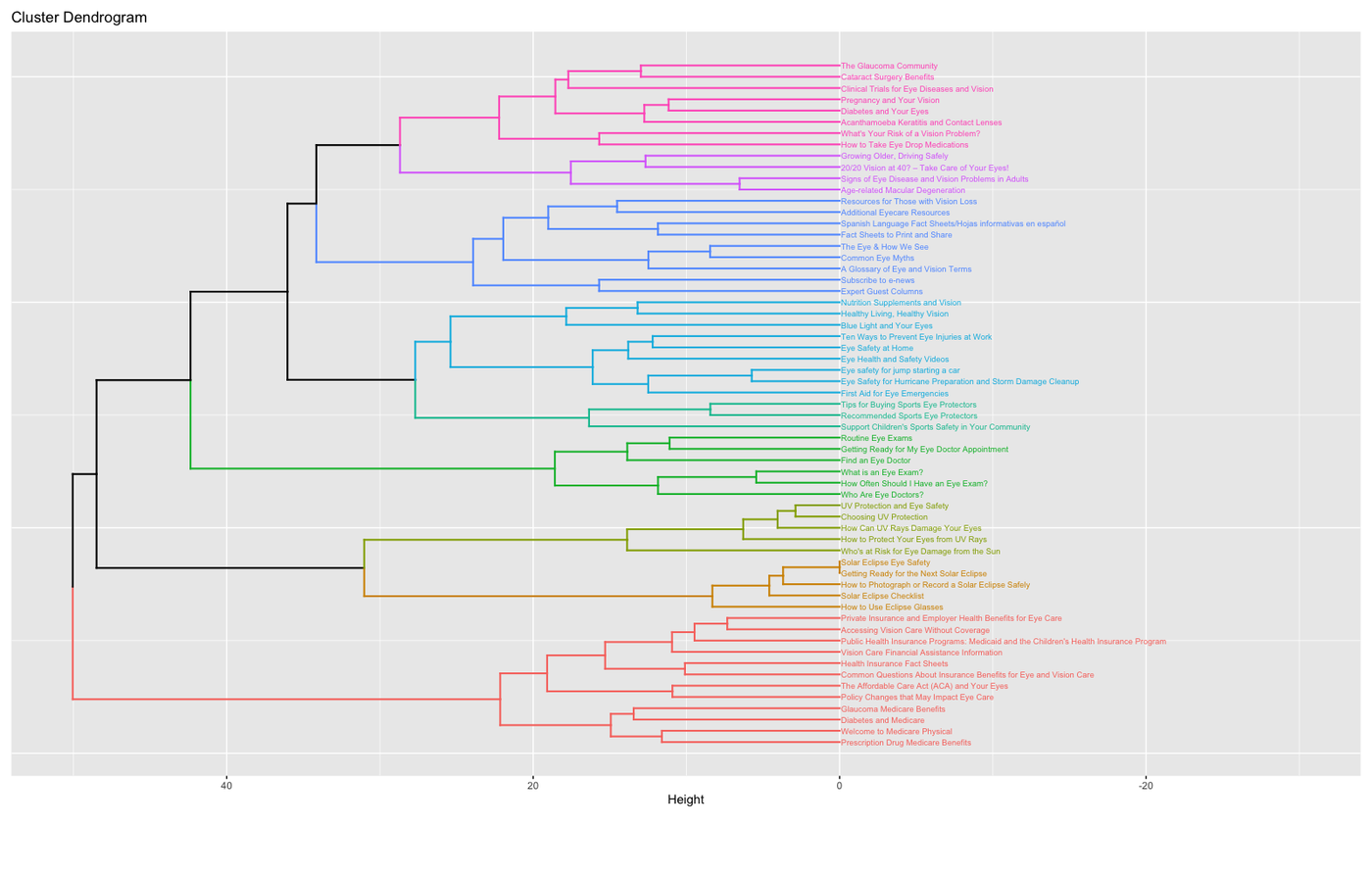
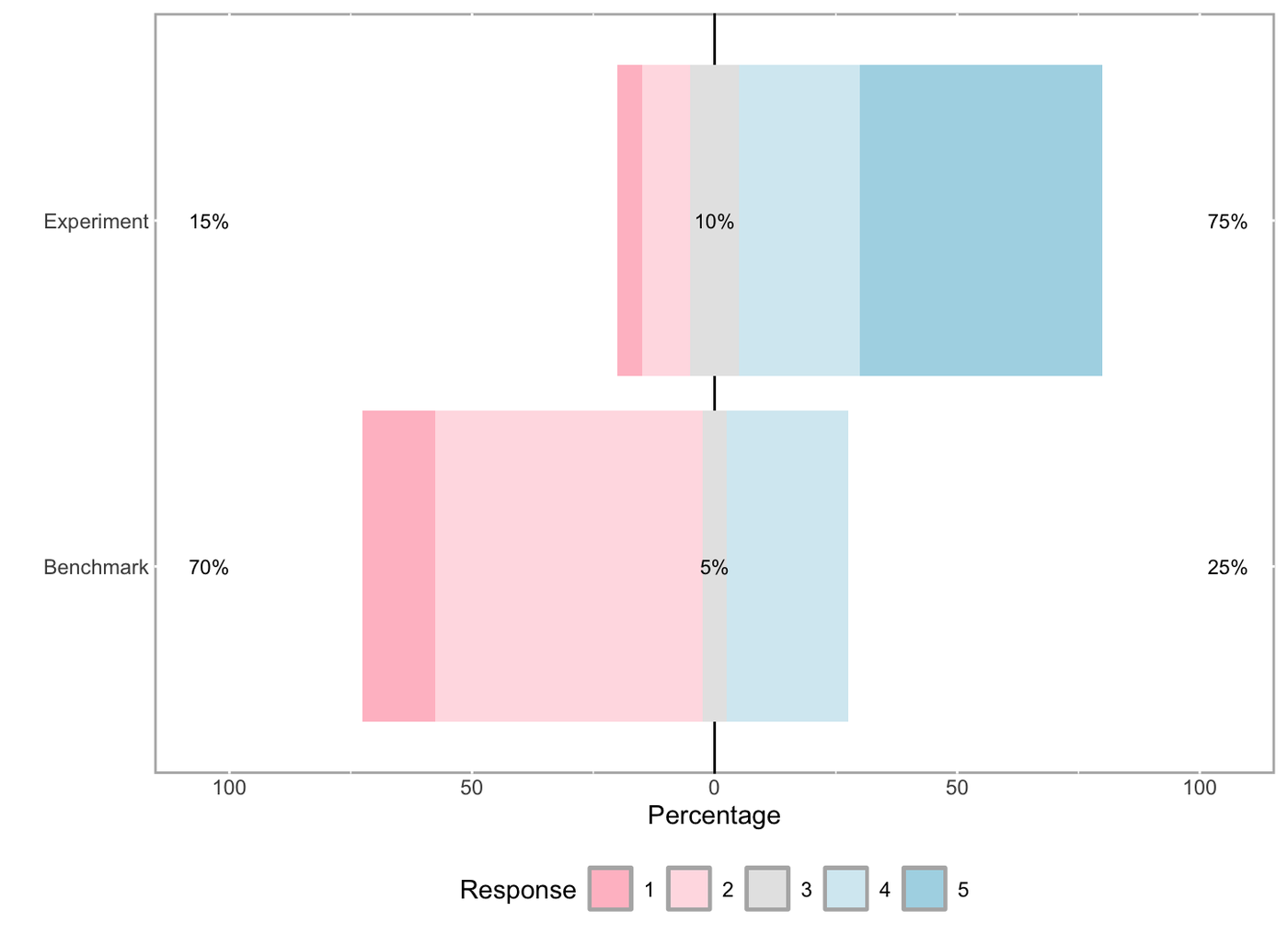
The "Your Sight" menu on PreventBlindness.org had 76 links in about 20 top-level items. A card sort showed how people group the content, then a tree test compared the new structure to the old one.
My role
Wrote the card-sort method, sharpened the survey questions (removing leading and double-barrelled items), and built the Insurance and Eye Exams menu branches. The team analyzed results in R and JASP.
Results
- People group eye-health content by their own needs (insurance, exams, conditions, aging, safety), not by the site's labels
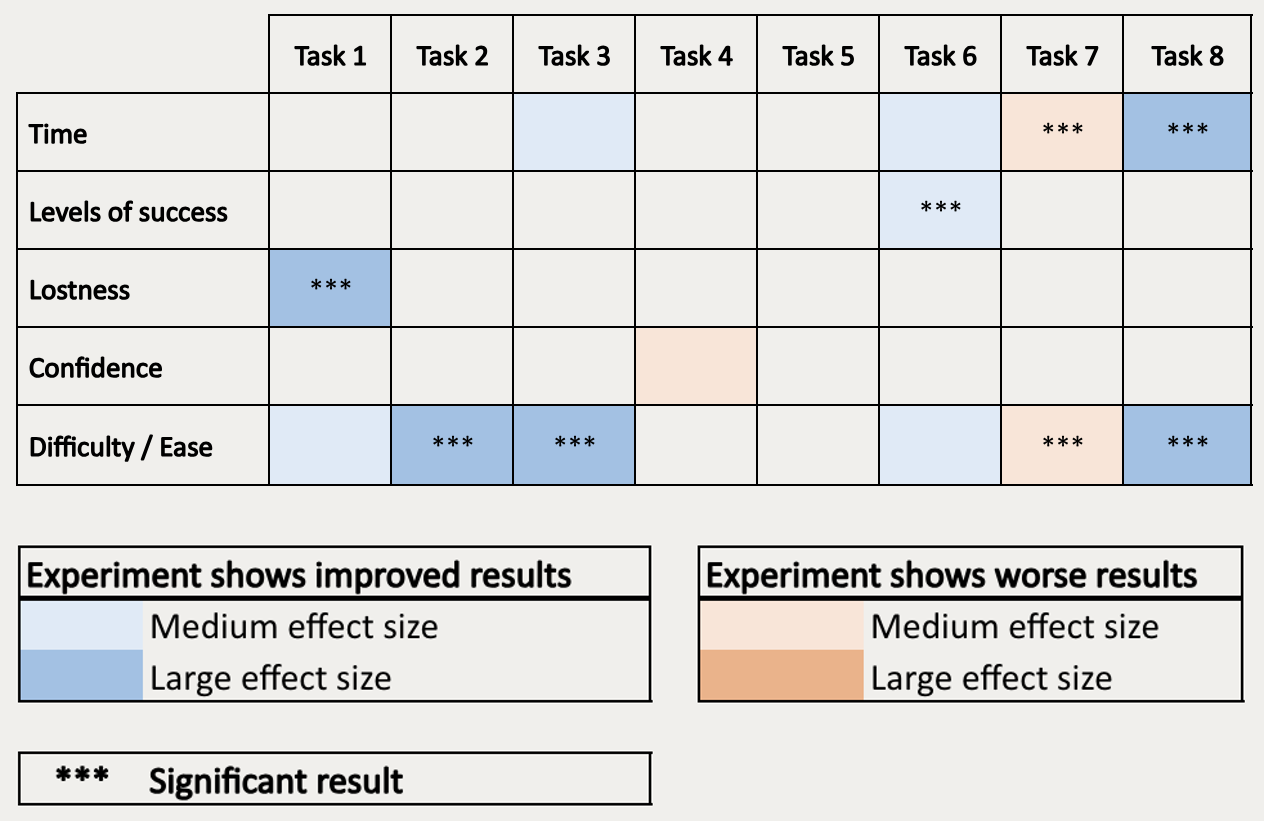
- The new menu felt far more intuitive: 75% of participants rated it intuitive, up from 25% for the old one
- People got lost less and found answers more often; success on the macular degeneration coverage task rose from 35% to 60%
- Cutting about 20 top-level items to 6 reduced the "too many options" overwhelm
- Not every change helped: deeper nesting slowed the eclipse task and vague labels like "Resources" still misled, so both were flagged for the next round
Where should a pharma importer grow next?
A German parallel-import pharma company asked which EU markets beyond Germany and Austria offer real potential. We built a repeatable scoring model to answer it.
My role
Made the framework measurable by replacing vague criteria with measurable ones, proposed Germany and Austria as a validation baseline, co-led the first country screen, and coordinated the team across time zones.
Approach
- Multi-criteria analysis: each sub-criterion scored 1-5, weighted, and tiered
- Public data from OECD, Eurostat, EFPIA, PPRI, and WHO
- Validated on the client's existing markets before scoring new ones
- Finalists: Sweden, the Netherlands, France, and Spain
Does traditional practice shape mental-health care in Japan?
How far do Kampo (traditional herbal medicine) and Ma (meaningful space and pause) shape modern Japanese mental-health care? I tested my assumptions in the field.
Method
A review of about 20 sources, then multi-site fieldwork at Kampo pharmacies, temples, a tea ceremony, and a ryokan, plus talks with Kampo practitioners and an architect.
What I found
None of my three hypotheses held as stated, which was the useful part. It raised a new question: the gap between Japan's calm-oriented culture and its mental-health realities, like stigma and limited insurance coverage for therapy.